.jpg?rect=0,124,2449,1378&w=1920&h=1080&fit=min&auto=format)
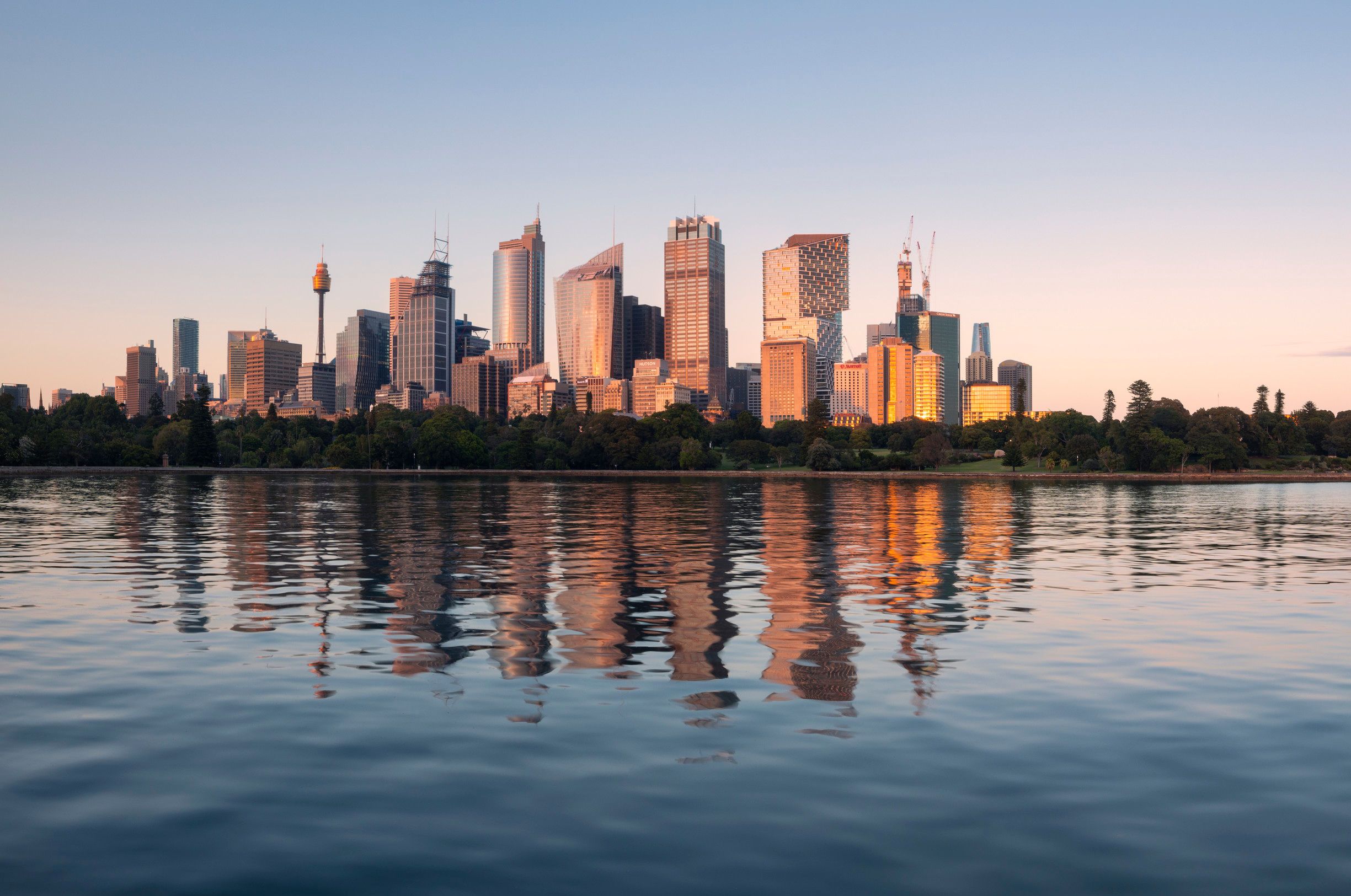
Tourism Ministers met in Sydney on 30 April 2026 to discuss their ongoing collaboration and continued efforts to support Australia’s travel and tourism industry.
Chaired by Minister for Trade and Tourism, Senator the Hon Don Farrell, the Minister was joined by Chief Minister Andrew Barr MLA of the Australian Capital Territory, the Hon Steve Kamper MP from NSW, the Hon Marie-Clare Boothby MLA of the Northern Territory, the Hon Andrew Powell MP from Queensland, the Hon Emily Bourke MLC from South Australia, the Hon Jane Howlett MP from Tasmania, the Hon Natalie Suleyman MP from Victoria.
Mr Chad Anderson, Director General, Western Australia Department of Creative Industries, Tourism and Sport attended on behalf of the Hon Reece Whitby MLA.
Ministers discussed the conflict in the Middle East and that the impact on global fuel security remained dynamic and evolving.
The Australian Government is working in close partnership with state and territory governments, under the auspices of National Cabinet, to implement the National Fuel Security Plan.
Minister Farrell highlighted the Australian Government’s work with international partners, and that Australia’s fuel supply remained stable. Ministers heard from Ms Janet Quigley, First Assistant Secretary, Fuel Supply Taskforce, about steps the Australian Government was taking to manage Australia’s fuel security and costs.
These measures include halving the fuel excise, pausing the Heavy Vehicle User Charge, new fuel security powers to support supply, temporarily amended fuel standards, increased monitoring of fuel prices and penalties for price-gouging, offering temporary relief for businesses unable to meet their tax obligations, extending the Small Business Responsible Lending Obligation for 10 years to make it easier for small businesses to access credit, funded free support from financial counsellors and mental health support.
Ministers agreed on the importance of visitors having confidence in fuel supply and the confidence to travel, including interstate. Regional and remote operators were most impacted by this issue.
Ministers noted the current public facing information on national fuel availability, and advocated for improvement on what information is available and how it is presented to provide confidence to domestic travellers.
The Fuel Supply Taskforce was asked to explore ways to increase awareness of current fuel information. Northern Territory agreed to coordinate states and territories to work together to support the drive market across all jurisdictions.
Austrade CEO Dr Paul Grimes outlined the visitation levels over the March and Easter period and tourism’s outlook.
The establishment of the Office of Tourism and Visitor Economy with responsibility for developing and administering tourism policy was noted. In this capacity, the Office of Tourism and Visitor Economy’s work to brief the Government on tourism’s outlook was noted, as was the forward work agenda underpinned by the action plan for THRIVE 2030, the national visitor economy strategy.
Tourism Ministers noted an update from Tourism Australia’s Managing Director Robin Mack. Ministers noted that consumer sentiment varied significantly between markets, but that perceptions of Australia’s safety and security were holding up well.
Ministers noted that Tourism Australia would continue to track consumer and industry sentiment, and would continue to build demand in international markets, especially in nearby markets. Ministers noted that during the summer months, many areas of Australia were impacted by natural disasters, including flooding in the Northern Territory, Queensland and Western Australia following Tropical Cyclone Narelle, bushfires in Victoria and the algal bloom in South Australia.
Many tourism operators were recovering from natural disasters, and were also dealing with increased operating costs due to high fuel prices and the impact on the supply chain.
Ministers acknowledged the work of the Commonwealth agencies, led by the National Emergency Management Agency, and state and territory governments in supporting disaster recovery efforts. Ministers discussed the contribution of the cruise sector to the tourism industry.
Ministers noted the work by the Office of Tourism and the Visitor Economy to ensure tourism equities in cruising, including feedback provided by industry and jurisdictions, were well understood by Commonwealth agencies with regulatory roles in cruise.
Tourism Australia’s tri-partite Memorandum of Understanding (MoU) and collaboration with the Australian Cruise Association and Cruise Lines International Association Australasia was also noted. Ministers recognised the importance of the tourism industry to the Australian economy.
They agreed to continue collaborating to address challenges and maximise opportunities for Australia’s tourism and travel industry and asked officials to continue meeting regularly while events in the Middle East and its impact on Australia’s fuel security remained dynamic.


