.jpg?rect=0,188,3600,2025&w=3200&h=1800&fit=min&auto=format)
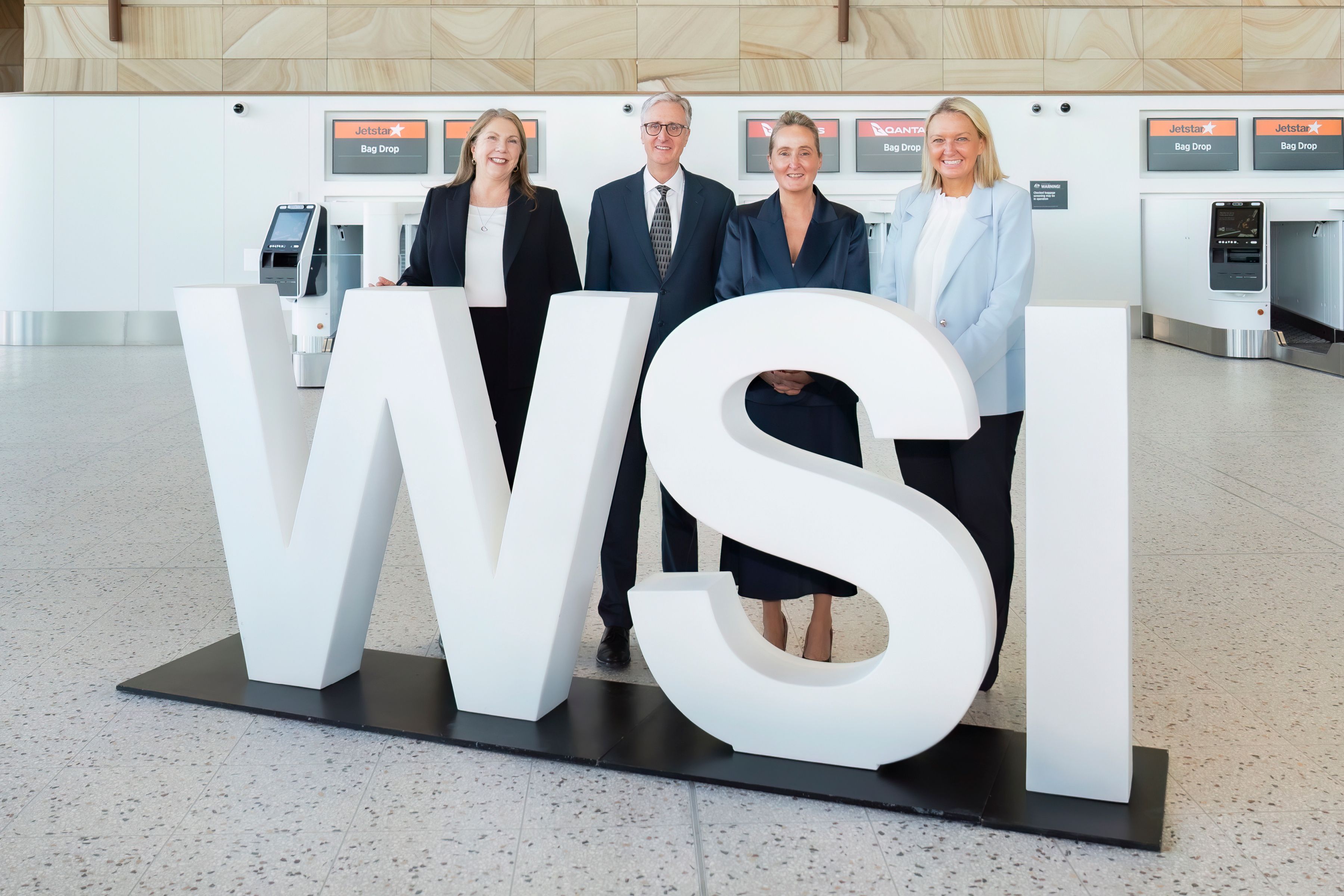
Qantas and Jetstar are preparing to connect Melbourne, Brisbane and the Gold Coast to Western Sydney, with Jetstar launching the first commercial passenger service at Western Sydney International Airport (WSI) on Sunday 25 October 2026.
Jetstar will operate up to 14 flights a week between Melbourne and WSI, four weekly flights from the Gold Coast and three weekly flights from Brisbane.
Qantas operations will begin on 28 March 2027 with four flights per week between Western Sydney, Melbourne and Brisbane.
The news follows the announcement that the first Air New Zealand international flight will depart WSI on 26 October, followed by the first Singapore Airlines flight touching down on 24 November.
The tourism industry has welcomed Qantas Group’s announcement, describing it as a significant step forward for Australian travellers.
Australian Travel Industry Association CEO Dean Long said: "This is exciting news for Australian travellers and for the travel industry.
"More flights always means more options for travellers and more options means more business for the travel agents and tour operators who are there to help Australians plan their trips.
"Western Sydney International is a transformative addition to Australia's travel landscape. It gives millions of people in western Sydney direct access to the network for the first time, and it gives the whole country a new gateway. We look forward to watching this airport grow and to the increased connectivity it will bring for Australian travellers."
The Tourism & Transport Forum (TTF) said the milestone represented a transformational moment for NSW's aviation, tourism and economic future.
TTF CEO Margy Osmond said: "This announcement is the culmination of more than a decade of planning and investment and represents one of the most significant pieces of transport infrastructure delivered in Australia in recent generations.
"Western Sydney International will provide much-needed aviation capacity for Sydney, strengthen connectivity across Australia and internationally, and unlock new opportunities for tourism, trade and investment across Western Sydney."
Accommodation Australia NSW said the new airport, which will serve up to 10 million passengers annually, will provide a boost to hotels right across NSW.
Accommodation Australia NSW General Manager Stacey McBride said: “Western Sydney is now Australia’s third-largest economy and home to half of the city’s population.
“The airport will showcase this vibrant area and its hotels, as well as bring more visitors into the Sydney CBD and the rest of NSW.
“After so many years in the planning it is exciting to see the dates in concrete and it couldn’t come at a better time for accommodation hotels which are feeling the pinch from global uncertainty, the fuel crisis and general cost of living pressures.”
Accommodation Australia CEO James Goodwin said: “It really is simple – the more international tourists on the ground here in Sydney, the more secure jobs in the tourism and accommodation sectors.
“A new 24-hour airport obviously brings more capacity for new carriers to enter the Australian market, it’s pretty small to start off but this can only be great news for tourism and the economy in general.”
Committee for Sydney described the new airport as a game-changer for the visitor economy.
Committee for Sydney Chief Executive Eamon Waterford said: “This will be a brand-new front door for the world to our city. In the short term, it’s going to be less busy than people expect. In the long term, I think it’ll be much busier than people expect.”
Western Sydney Leadership Dialogue said having the opening date for passenger services at WSI locked in was another great milestone for an airport that has been 15 years in the planning, seven years in construction and created more than 12,800 jobs – many of them for local workers.
Western Sydney Leadership Dialogue CEO Adam Leto said: "This is another big step forward for Western Sydney and it’s part of a journey that is just getting started.
“This project has already cataylsed so much investment in the region, and over the coming decades we can expect it to play an even bigger role driving economic and jobs growth."


